
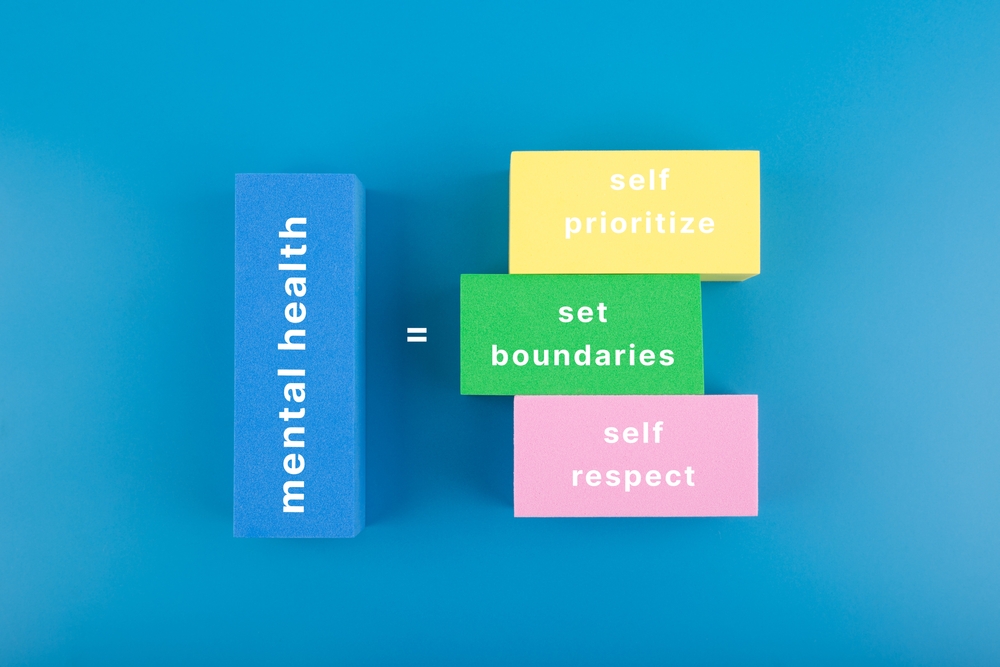
Boundaries 101: How to Set and Maintain Healthy Boundaries in Your Life
Setting healthy boundaries sounds simple: know your limits, communicate them, and stick to them.
But in real life, boundaries can bring up complicated emotions.
Maybe you know you need to say no, but worry about disappointing someone. Maybe you regularly put other people’s needs before your own. Or perhaps you’ve spent so much time keeping the peace that identifying what you need feels unfamiliar.
If setting boundaries feels difficult, there may be more happening beneath the surface. Therapy can help you understand those patterns, not with judgment, but with curiosity and compassion.
What Does Setting Healthy Boundaries Actually Mean?
Healthy boundaries are the limits we establish around our time, energy, emotions, relationships, and personal needs.
A boundary might sound like:
- “I can’t take that on right now.”
- “I want to talk about this, but I need some time first.”
- “I’m not comfortable with that.”
- “I can help, but I only have an hour.”
Boundaries aren’t about controlling what another person does. They’re about communicating your needs and deciding how you’ll care for yourself when a limit is reached.
And despite how they’re sometimes portrayed, boundaries don’t have to create distance. Healthy boundaries can actually support more honest, sustainable relationships.
Why Can Setting Boundaries Feel So Hard?
Our experiences and relationships shape what we’ve learned about expressing our needs.
Maybe you learned that keeping the peace felt safer than speaking up. Perhaps being helpful, agreeable, or independent became an important part of how you connected with others. You may worry that saying no will make someone angry, disappointed, or less likely to stay close to you.
That’s why boundary setting often goes deeper than learning the “right” words to say.
You may know exactly what boundary you should set and still struggle to set it.
This is an area where therapy can be particularly helpful. Instead of only asking, “How do I set a boundary?”, therapy gives you room to explore another important question:
“What makes this boundary so difficult for me?”
Understanding the answer can help you begin changing the pattern rather than repeatedly fighting against it.
How to Start Setting Healthier Boundaries
Boundary setting is a skill, and skills take practice.
Start by noticing situations that leave you feeling resentful, anxious, overwhelmed, or emotionally drained. Those feelings can sometimes signal that a need has gone unrecognized or a limit has been crossed.
Then ask yourself:
What do I need in this situation?
Am I saying yes because I want to—or because I’m afraid to say no?
Once you understand your limit, try communicating it clearly and compassionately.
For example:
“I care about you, but I don’t have the capacity for this tonight.”
“I understand that you’re disappointed, but this is what I need right now.”
“I’d like to continue this conversation when we’re both calmer.”
The goal isn’t to find the perfect wording. It’s to practice communicating honestly while remaining connected to yourself.
Why Therapy Can Help With Boundary Setting
Sometimes, knowing what a healthy boundary looks like isn’t the difficult part.
Maintaining it is.
You may set a boundary and immediately feel guilty. You might start questioning yourself when someone reacts negatively. Or you may find yourself falling back into familiar patterns of overexplaining, people-pleasing, avoiding conflict, or taking responsibility for someone else’s emotions.
Therapy provides a supportive space to slow those moments down and understand what’s happening underneath them.
With a therapist, boundary work might involve exploring where certain relationship patterns began, identifying fears that arise when you advocate for yourself, recognizing your emotional and physical cues, and practicing new ways of communicating your needs.
Therapy can also give you a safe place to rehearse difficult conversations before having them in your everyday life.
Over time, the goal isn’t simply to become “better at saying no.” It’s to develop a stronger understanding of yourself, your needs, values, relationships, and what allows you to feel safe and connected.
Boundaries Aren’t About Becoming Less Caring
One of the biggest misconceptions about boundaries is that prioritizing your needs makes you selfish.
But caring for yourself and caring for other people don’t have to be opposing goals.
Without boundaries, relationships can become filled with exhaustion, resentment, anxiety, or an unspoken sense of obligation. Healthy boundaries can create space for connection that feels more honest and sustainable.
You can care about someone’s feelings without taking responsibility for fixing them.
You can love someone and still say no.
You can be compassionate toward another person without abandoning yourself.
Exploring Boundaries in Therapy at Loqui Wellness
Boundary work can touch many parts of our lives: relationships, family dynamics, anxiety, trauma, self-worth, life transitions, and the ways we’ve learned to connect with others.
At Loqui Wellness Center, therapy is a collaborative process. Rather than simply telling you which boundaries you “should” set, therapy can help you become curious about the patterns you’ve developed, understand what they have meant in your life, and explore new ways of relating to yourself and others.
Because setting healthy boundaries isn’t about building walls.
It’s about creating enough space for you to exist within your relationships, too.
If you’re struggling with boundaries, people-pleasing, relationship patterns, or expressing your needs, therapy can provide a compassionate space to explore what’s underneath and begin practicing something different.